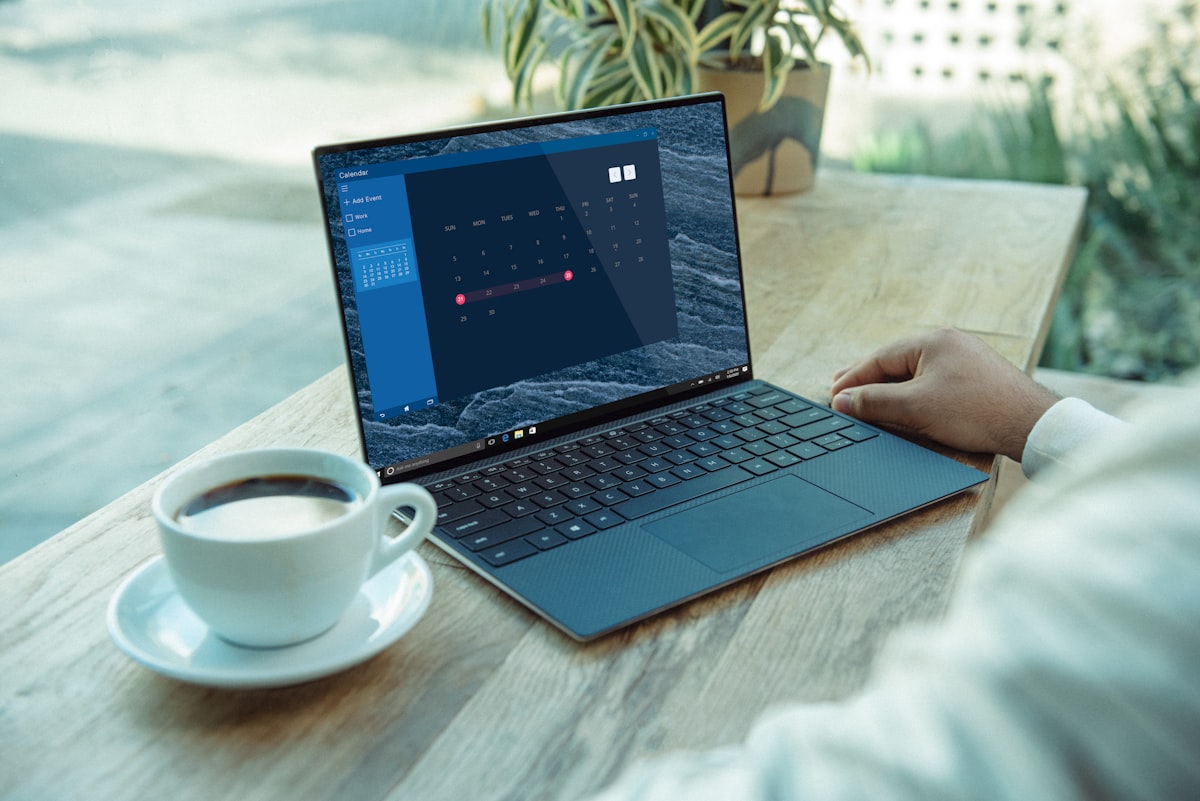
Remote Work Physical Pain & Mental Health Connection
Ergonomic setup guidance for keyboard position, desk height, movement and more comfortable work sessions.
Remote Work: The Impact of Physical Pain on Your Mental Health
January 2026. Remote work has transformed how we work, offering flexibility and eliminating daily commutes. But there’s a dark side that’s rarely discussed: the connection between chronic physical pain and deteriorating mental health.
If you work from home and experience wrist pain, neck tension, or back discomfort, you may have also noticed changes in your mood, anxiety levels, or ability to concentrate. It’s not a coincidence. Science is revealing a deep and concerning connection between physical pain and mental health in the context of remote work.
The Body-Mind Connection: Beyond the Physical
For decades, researchers have studied the bidirectional relationship between physical pain and mental health. What they’ve discovered is that chronic pain doesn’t just affect your body—it also rewires your brain.
The Vicious Cycle of Pain and Anxiety
When you experience constant physical pain, your nervous system stays in a state of elevated alert. This activates the “fight or flight” response, releasing cortisol and other stress hormones. Over time, this constant state of activation can lead to:
- Generalized anxiety: Constant worry about pain and its impact on your ability to work
- Depression: Chronic pain reduces levels of serotonin and dopamine, key neurotransmitters for wellbeing
- Insomnia: Pain disrupts sleep cycles, creating a vicious cycle of fatigue and increased pain sensitivity
- Cognitive impairment: Pain consumes mental resources, reducing capacity for concentration and working memory
The Statistics That Should Concern You
Recent research on remote workers reveals alarming statistics:
- 68% of remote workers report musculoskeletal pain related to their work setup
- Of these, 73% also experience symptoms of anxiety or depression
- Workers with chronic pain are 3.2 times more likely to develop mood disorders
- Physical pain is the second strongest predictor of mental health problems in remote workers (after social isolation)
These numbers aren’t coincidental. They represent a silent crisis affecting millions of people working from home.
Why Remote Work Intensifies the Problem
Remote work creates unique conditions that exacerbate the connection between physical pain and mental health:
1. Poor Ergonomic Setups
Unlike traditional offices, where HR departments or occupational health services can intervene, at home each person is responsible for their own ergonomics. This has led to:
- **many remote workers use desk setups that are not ideal
- Dining tables that are too high or too low
- Inadequate chairs without lumbar support
- Keyboards in incorrect positions that strain wrists
2. Lack of Physical and Mental Separation
In a traditional office, physical pain can “stay at work.” At home, pain is always present, blending with your personal life and creating a sense that you can never escape.
3. Reduced Natural Movement
Remote work eliminates many natural movements we had in offices: walking to meetings, going to the cafeteria, climbing stairs. This reduction in movement:
- Worsens postural problems
- Reduces blood flow that helps alleviate pain
- Decreases release of natural endorphins
4. Pressure to Maintain Productivity
Many remote workers feel additional pressure to demonstrate productivity, leading them to ignore pain signals and continue working in suboptimal conditions. This “push through” mentality can turn minor discomforts into chronic problems.
The Specific Case of Wrist Pain
Wrist pain is particularly problematic in the context of remote work and mental health. Here’s why:
Why Wrist Pain Especially Affects Mental Health
-
It’s Constant During Work: Unlike back pain that may vary with posture, wrist pain is present during every moment you type, which can be 6-8 hours a day.
-
Directly Interferes with Your Ability to Work: Wrist pain isn’t just uncomfortable; it can make typing painful, creating anxiety about your ability to meet work responsibilities.
-
Warning Signs of Serious Problems: Wrist pain can be a precursor to carpal tunnel syndrome or repetitive strain injuries (RSI), conditions that may require surgery or end careers. This concern adds an additional layer of stress.
-
Impact on Autonomy: When wrist pain prevents you from working comfortably, it can feel like a loss of control over your own ability to earn income.
The Science Behind Wrist Pain and Anxiety
Neurological studies have shown that chronic pain in the upper extremities (such as wrists and forearms) activates the same brain regions associated with:
- Emotional processing
- Anticipatory anxiety
- Mood regulation
When these regions are constantly activated by pain, they can become hyperactive, leading to anxiety states even when pain isn’t present at that moment.
Impact on Different Aspects of Mental Health
Anxiety and Constant Worry
Chronic physical pain creates a state of constant worry:
- Anticipatory anxiety: Worry about whether pain will worsen during the day
- Performance anxiety: Fear that pain will affect your ability to work
- Future anxiety: Worry about whether pain will become permanent or require expensive medical intervention
Depression and Feelings of Hopelessness
Chronic pain can lead to feelings of hopelessness, especially when:
- Attempts to relieve pain don’t work
- Pain interferes with activities you once enjoyed
- You feel that pain is out of your control
Cognitive Impairment and “Brain Fog”
Pain consumes cognitive resources. When your brain is constantly processing pain signals, it has less capacity for:
- Concentrating on complex tasks
- Remembering information
- Making decisions
- Maintaining attention for extended periods
This can create additional frustration, especially if your work requires intense mental concentration.
Impact on Relationships
Chronic pain can affect your personal relationships:
- Irritability due to constant pain
- Reduced social activities due to pain
- Difficulty explaining to others how you feel
- Worry that others don’t understand the severity of the problem
Warning Signs: When Physical Pain Is Affecting Your Mental Health
It’s important to recognize when physical pain is crossing the line into mental health problems. These are warning signs:
Physical and Emotional Signs
-
Mood Changes: If you notice you feel more anxious, irritable, or depressed since the pain started
-
Obsessive Worry: If you spend a lot of time worrying about pain or searching for information about it online
-
Activity Avoidance: If you’ve stopped doing things you enjoyed due to pain or fear of making it worse
-
Sleep Problems: If pain is disrupting your sleep or if you wake up worried about pain
-
Difficulty Concentrating: If you find you can’t focus on work due to pain or worry about pain
-
Appetite Changes: Chronic pain can affect appetite, either reducing it or increasing it as a coping mechanism
-
Social Isolation: If you’ve withdrawn from social activities due to pain or worry about how you feel
When to Seek Professional Help
If you experience any of these symptoms persistently, it’s important to seek help:
- Pain that persists more than 2 weeks without improvement
- Anxiety or depression symptoms that interfere with your daily life
- Thoughts about not being able to continue due to pain
- Significant changes in sleep or appetite
- Difficulty functioning at work due to physical or mental symptoms
The Good News: Solutions That Work
Although the connection between physical pain and mental health is real and concerning, it’s also treatable. Interventions that address physical pain often improve mental health, and vice versa.
1. Ergonomic Correction: The Foundation
The most effective solution is to address the root cause of pain. For keyboard-related wrist pain, this means:
Correcting keyboard position: Research from OSHA and NIOSH demonstrates that negative keyboard tilt (where the rear is raised than the front) can:
- Reduce wrist extension by up to 60%
- Decrease pressure within the carpal tunnel
- Reduce muscle fatigue in forearms and shoulders
The practical solution: An ergonomic keyboard riser like KeyRiser can provide the correct angle (10-15 degrees of rear lift) recommended by science, for less than $10. This simple change can eliminate or significantly reduce wrist pain, which in turn reduces anxiety and improves mood.
2. Movement and Exercise
Movement is medicine for both physical pain and mental health:
- Stretching exercises: Especially for wrists, neck, and shoulders
- Short walks: During work breaks
- Strengthening exercises: To improve posture and reduce tension
3. Stress Management Techniques
Since pain and stress reinforce each other, stress reduction techniques can help:
- Deep breathing: To activate the parasympathetic nervous system
- Meditation or mindfulness: To change your relationship with pain
- Progressive muscle relaxation techniques: To reduce physical tension
4. Spatial and Temporal Separation
Creating clear boundaries between work and personal life can help:
- Dedicated workspace: If possible, physically separate your work area
- Start and end routines: Rituals that mark the beginning and end of the workday
- Regular breaks: Away from your desk and computer
5. Social and Professional Support
- Talking to others: Sharing your experiences with colleagues or friends who also work from home
- Therapy or counseling: If symptoms are significant, a mental health professional can help
- Medical evaluation: If pain persists, consult with a doctor or physical therapist
The Action Plan: This Week
Don’t wait for physical pain to become a mental health problem. Here’s a concrete action plan:
Day 1: Honest Assessment
- Assess your current level of physical pain (scale of 1-10)
- Assess your mood and anxiety levels
- Identify which activities or postures worsen pain
- Review your current work setup
Day 2-3: Research and Planning
- Research ergonomic solutions for your specific problem
- If you have wrist pain, learn about negative keyboard tilt
- Plan specific changes you can implement
- Consider your budget for ergonomic improvements
Day 4-7: Implementation
- Implement at least ONE significant ergonomic change
- If you have wrist pain, correct your keyboard position
- Set reminders for breaks and stretches
- Begin practicing a stress management technique
Weeks 2-4: Monitoring and Adjustment
- Monitor changes in your physical pain
- Observe changes in your mood and anxiety levels
- Adjust your setup as needed
- Celebrate improvements, no matter how small
Real Stories: The Impact of Addressing Physical Pain
Anna, a 32-year-old graphic designer, shares her experience:
“I had been working from home for eight months with constant wrist pain. It wasn’t just the physical pain; I was constantly anxious about whether I could keep working, if I’d need surgery, if I’d lose my job. My therapist helped me see that physical pain and anxiety were connected. When I corrected my keyboard position with an ergonomic riser, not only did the wrist pain disappear, but I also noticed my anxiety decreased significantly. It was like my brain could finally relax.”
Robert, a 38-year-old software developer:
“Wrist pain had become a constant source of stress. Every time I typed, it reminded me that something was wrong. After implementing ergonomic changes, especially correcting my keyboard angle, the pain disappeared. But the most surprising thing was how my ability to concentrate improved. I realized the pain had been consuming mental resources that I could now use for my work.”
Frequently Asked Questions
Q: Can physical pain really cause mental health problems?
A: Yes, absolutely. The research is clear: chronic pain and mental health problems are deeply interconnected. Physical pain activates the same brain regions involved in emotional processing and anxiety. When pain is constant, it can lead to anxiety, depression, and cognitive impairment.
Q: Will addressing physical pain automatically improve my mental health?
A: In many cases, yes. When you eliminate or significantly reduce physical pain, you reduce the load on your nervous system and free up mental resources. However, if you’ve been experiencing mental health problems for an extended period, it may be beneficial to address both physical pain and mental health directly.
Q: What should I do first: address physical pain or seek help for mental health?
A: Ideally, both. But if you have to choose, addressing physical pain first often has the greatest immediate impact. When pain is reduced, many mental health symptoms improve automatically. However, if you’re experiencing thoughts of hopelessness or severe anxiety, don’t hesitate to seek professional help immediately.
Q: Can a simple ergonomic change really make that much difference?
A: Yes. The right ergonomic changes can eliminate or significantly reduce physical pain, which in turn reduces the load on your nervous system and improves your mental health. For wrist pain, correcting keyboard position is one of the highest-impact changes you can make, backed by research from OSHA and NIOSH.
Q: How long does it take to notice improvement in mental health after addressing physical pain?
A: It varies by person and severity of symptoms. Some people notice improvements in mood and anxiety within days or weeks after pain is reduced. For others, it may take longer, especially if mental health problems have been present for an extended period.
Q: Should I stop working if I have pain and mental health problems?
A: Not necessarily. In many cases, making ergonomic changes and seeking support can allow you to continue working while improving. However, if pain is severe or mental health problems are significantly interfering with your ability to function, it may be appropriate to take time off or seek workplace accommodations.
Conclusion: Your Wellbeing Deserves Comprehensive Attention
Remote work has brought many benefits, but it has also created new challenges for our physical and mental health. The connection between physical pain and mental health is real, and ignoring it can lead to more serious problems over time.
The good news is that this connection works both ways: when you improve your physical health, you also improve your mental health. Simple ergonomic changes, such as correcting your keyboard position, can have a profound impact not only on your physical pain but also on your overall mental wellbeing.
You don’t have to accept pain as part of remote work. And you don’t have to accept anxiety or depression as inevitable consequences of pain. With the right solutions, you can work comfortably and maintain both your physical and mental health.
Your wellbeing is an integrated whole. Take care of your body, and your mind will thank you.
Ready to improve both your physical and mental health? KeyRiser on Amazon for $9.99 →
The research-backed ergonomic change that can reduce wrist pain and improve your mental wellbeing.
Sources and References
- Studies on the connection between chronic pain and mental health in remote workers
- Research from OSHA and NIOSH on keyboard ergonomics and musculoskeletal health
- Neurological studies on pain processing and its impact on cognitive function
- Research on the bidirectional relationship between physical pain and mood disorders
- World Health Organization guidelines on mental health in the workplace
- Studies on ergonomics and wellbeing in the context of post-2020 remote work
Related Reading
Ready for a Better Typing Angle?
Check KeyRiser on Amazon and confirm compatibility with your MX Keys model.
Buy Now - $9.99